Research at sea
Collaborative surveys, tagging, and habitat studies that turn unknowns into protection.
 DONATE
THE OCEAN NEEDS ITS APEX PREDATORS.
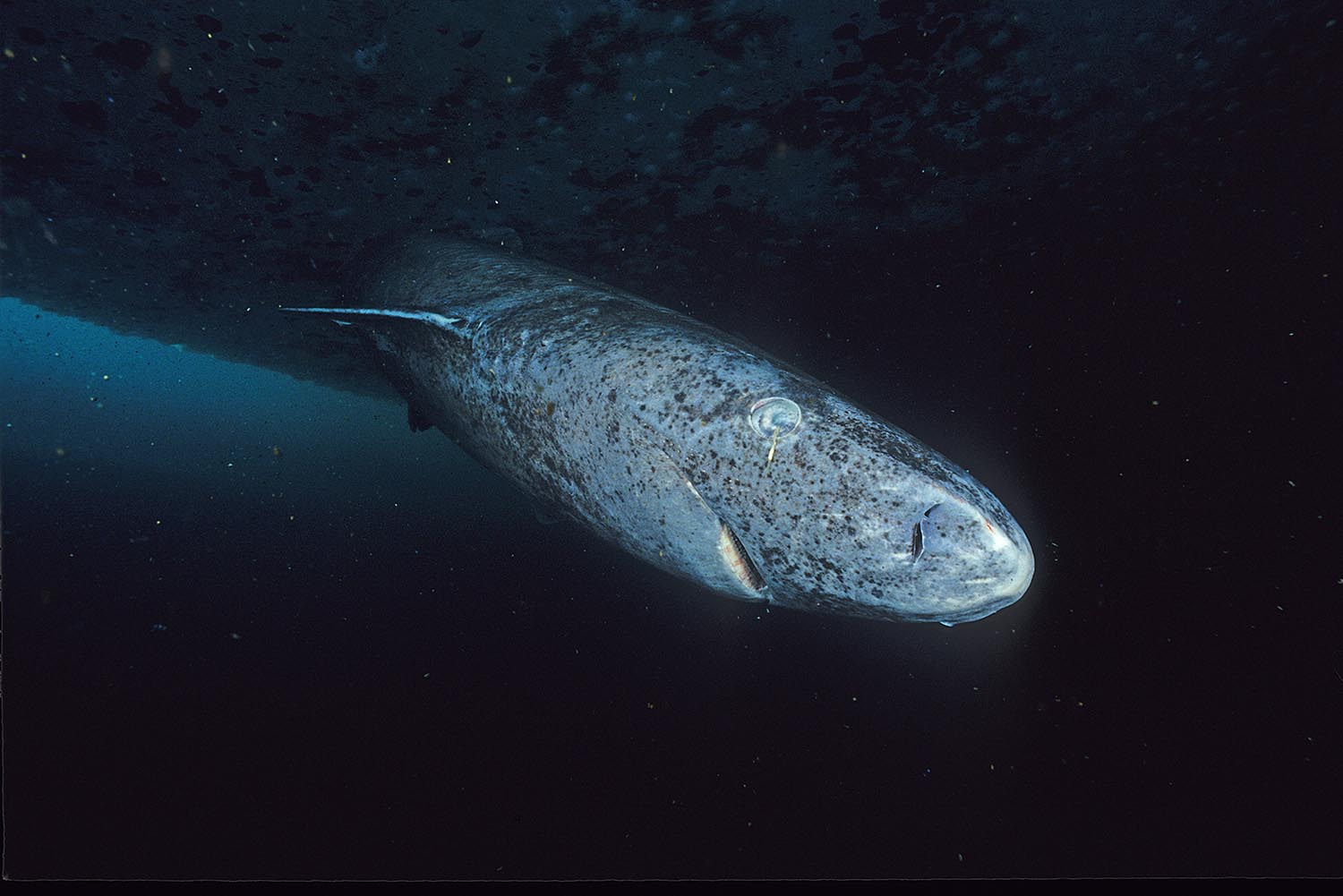
Canada's three coastlines are home to dozens of shark species—from the deep-diving Greenland shark to the lightning-fast shortfin mako. Yet most of their lives remain out of sight.
We connect field science, public education, and policy action so these ancient animals can thrive for generations to come.
Collaborative surveys, tagging, and habitat studies that turn unknowns into protection.
Explore organizations, tools, and scientists advancing our understanding of white sharks across the western North Atlantic.
These links recognize relevant work in the field and do not imply a formal partnership with the Canadian Shark Conservancy.Step aboard a Nova Scotia expedition where public encounters help support shark science.
READ THE FIELD NOTE →TRACKING & MIGRATIONFollow tagged sharks and explore how their movements connect Atlantic Canada with the wider ocean.
OPEN THE SHARK TRACKER ↗REGIONAL SHARK SCIENCEDiscover collaborative research on sharks from Canadian waters to the Gulf of Mexico and beyond.
EXPLORE THE RESEARCH ↗FIELD RESEARCH & YOUTH EDUCATIONExplore a hands-on model that brings young people into local shark research, conservation, tagging, field observation, and the everyday work of marine science.
VISIT THE SHARK LAB ↗LONG-TERM SHARK RESEARCHExplore the Massachusetts Shark Research Program’s work on white shark movement, habitat use, population dynamics, behaviour, and public safety—an ongoing research effort led by the Division of Marine Fisheries.
EXPLORE THE SHARK PROGRAM ↗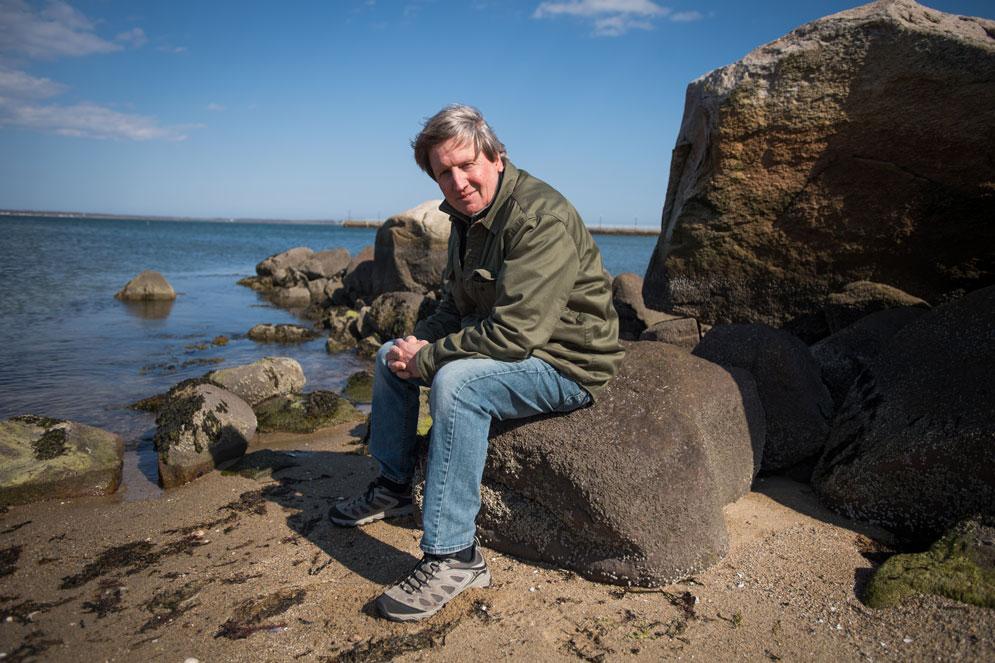
Dr. Greg Skomal is an accomplished marine biologist, underwater explorer, photographer, aquarist, and author who has studied sharks through the Massachusetts Shark Research Program since 1989. His research on shark ecology, life history, and behaviour has taken him from the Arctic Circle to the Red Sea.
READ THE BIOGRAPHY ↗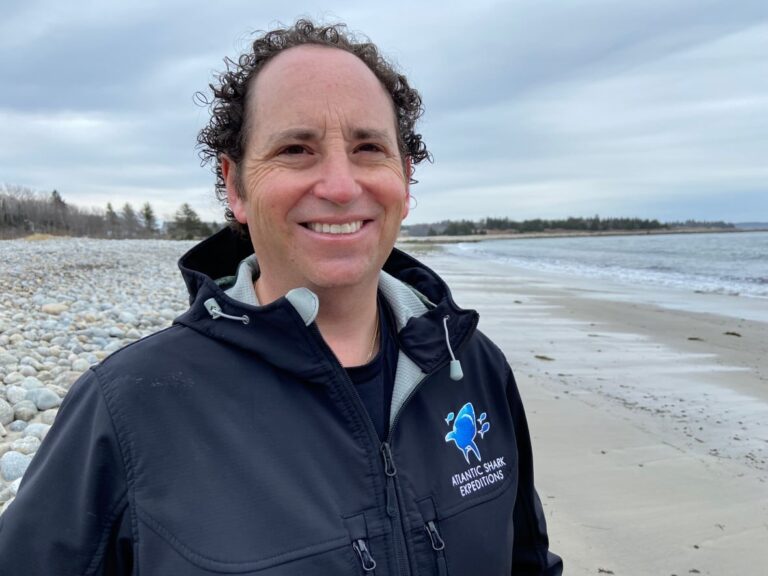
Dr. Neil Hammerschlag is a marine ecologist and shark researcher based in Nova Scotia. He is President of Atlantic Shark Expeditions and Executive Director of the Shark Research Foundation, where he advances shark science, conservation, and public understanding through field research and education.
READ THE BIOGRAPHY ↗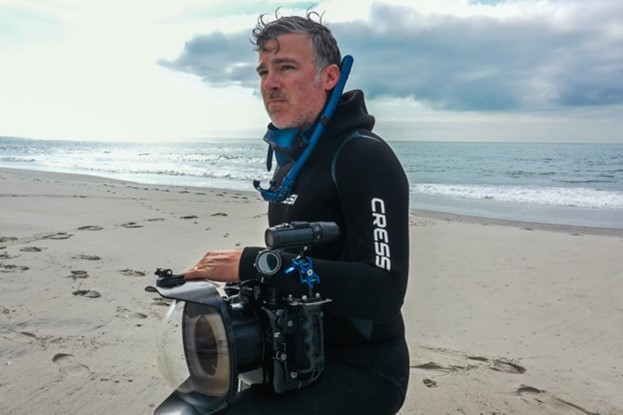
Meet the shark biologist, marine conservationist, educator, and founder of O’Seas Conservation Foundation. O’Connell earned his Ph.D. from the University of Massachusetts Dartmouth and combines shark-behaviour and conservation research with hands-on youth education through the Montauk Shark Lab.
MEET THE RESEARCHER ↗Understanding sharks means understanding the living ocean around them—and replacing inherited fear with evidence.
Look beyond a single species. Explore the ecosystems sharks belong to, examine the stories that shaped our fears, and discover what the evidence actually says.
Explore fishes, invertebrates, marine mammals, reptiles, seabirds, habitats, and the ecological connections that sustain Canadian waters.
EXPLORE THE LIBRARY ↗SHARK FACTS & MISCONCEPTIONSThe 1975 film helped turn sharks into a cultural shorthand for danger. Scientists and conservationists have spent more than half a century replacing that narrative with evidence: shark bites are real, but exceptionally rare. The International Shark Attack File confirmed 65 unprovoked bites worldwide in 2025—including one in Canada.
SEE THE INTERNATIONAL DATA ↗Curriculum-ready explainers, activities, field stories, and teaching resources are being developed.
COMING SOONEvidence-led action for healthy populations, safer fisheries, and resilient seas.
Science can show where sharks go and what threatens them. Policy determines whether that knowledge becomes meaningful protection—in Canadian waters and across the borders sharks never see.
Fisheries and Oceans Canada manages fisheries and shark bycatch through the Fisheries Act and fisheries plans. The Species at Risk Act supports recovery planning, while the Oceans Act enables marine protected areas and wider ecosystem management.
READ CANADA’S WHITE SHARK STRATEGY ↗SHARK FINNING & TRADECanada’s detached-fin trade ban closed a major market pathway. Effective protection still depends on enforcement, traceability, accurate species identification, and reducing mortality before sharks ever reach port.
READ THE 2019 LEGISLATIVE UPDATE ↗Canadian filmmaker and conservationist Rob Stewart brought shark finning to a global audience and helped turn fear into action. His films inspired new advocates, conservation groups, and policy campaigns around the world. His legacy continues through every person who chooses to see sharks as essential—not expendable.
EXPLORE ROB STEWART’S LEGACY ↗CLOSER THAN YOU THINK
NEW / FEATURED RESEARCH SERIES
Discovering the sharks of our Atlantic, Pacific and Arctic waters.
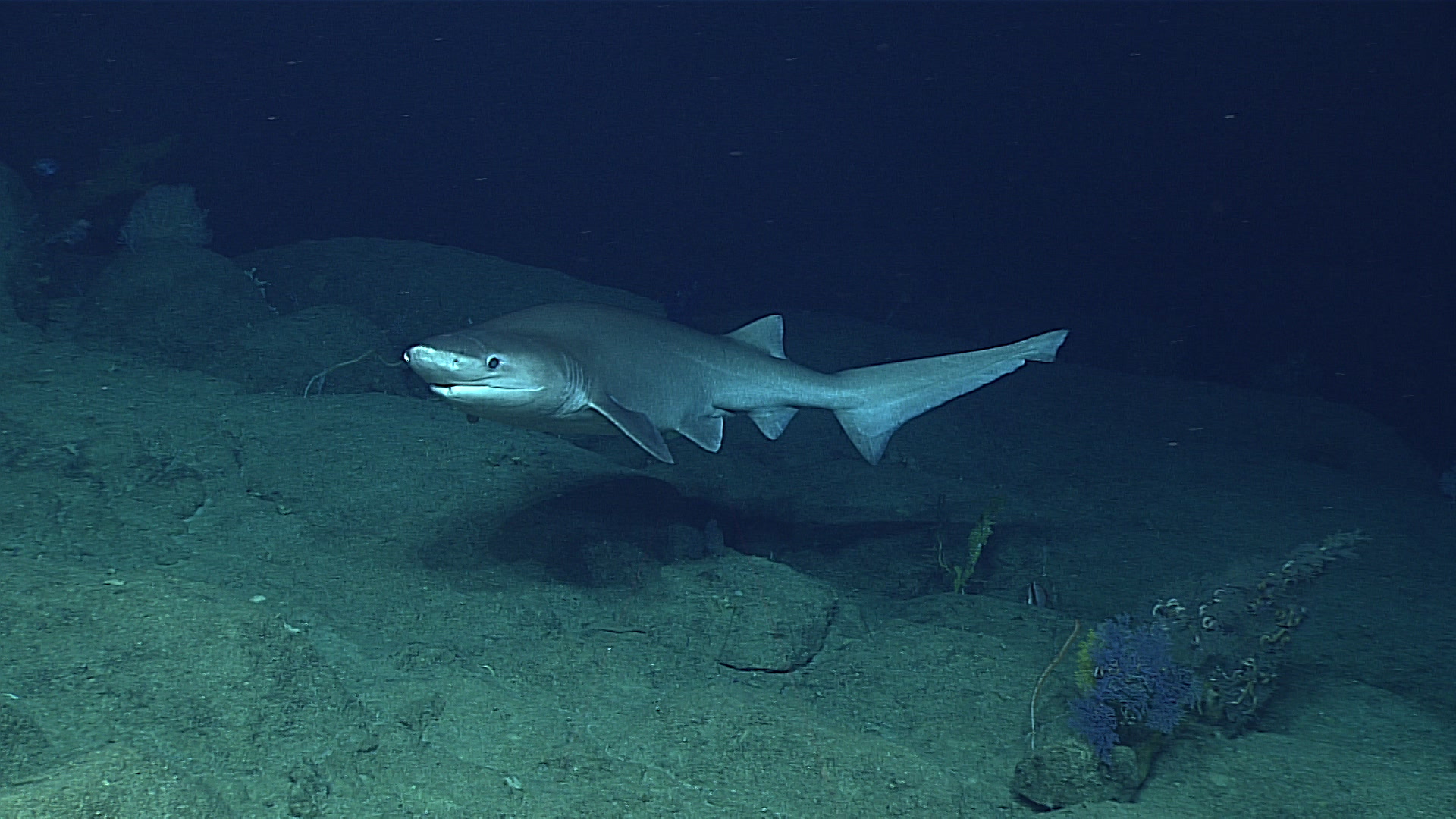
Three oceans. Extraordinary lives. A shared responsibility.READ PART 10: THE COMMON THRESHER →PART 1: Canada Is Shark Country →PART 2: The Greenland Shark: A Life Beyond Our Timescale →PART 3: The Salmon Shark: Built for a Cold Ocean →PART 4: The Porbeagle: A Fast Shark, a Long Road to Recovery →PART 5: The Basking Shark: The Giant We Almost Forgot →PART 6: The Bluntnose Sixgill: Beyond the Edge of the Light →PART 7: The Blue Shark: A Life Written Across Oceans →PART 8: The Shortfin Mako: Built for Speed. Dependent on Time. →PART 9: The North Pacific Spiny Dogfish: The Shark We Overlook →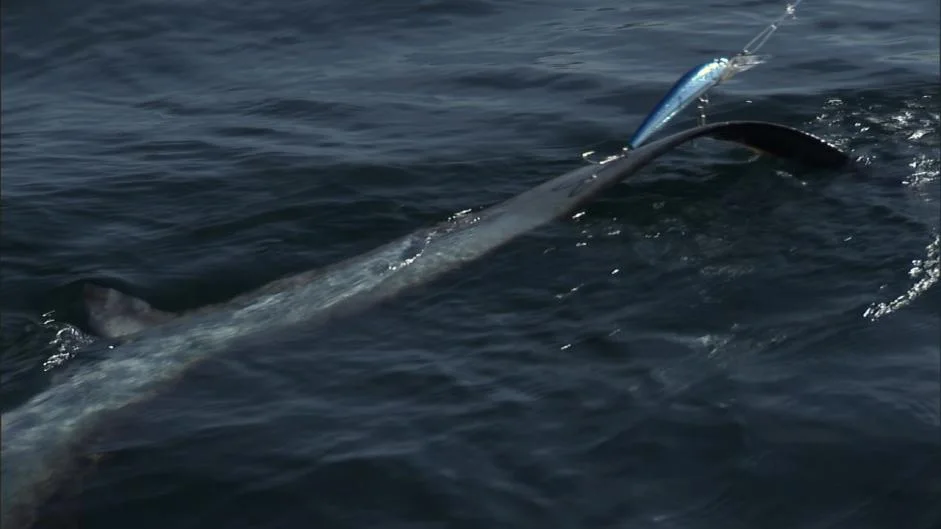
FEATURED RESEARCH SERIES
Following the seasonal journeys of the North Atlantic’s most iconic predator.
They don’t live in Canada. They return to Canada.EXPLORE THE SERIES →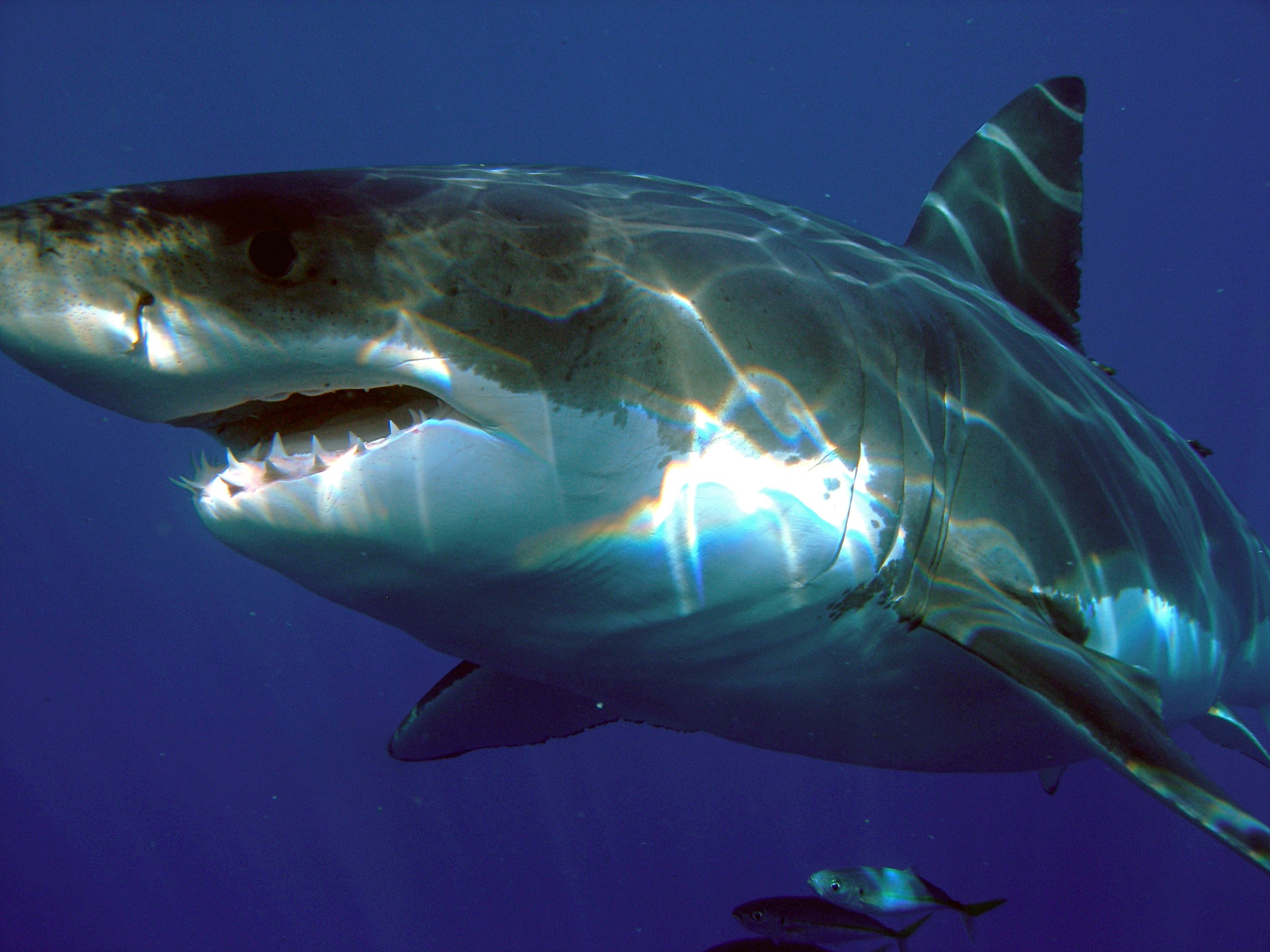
Two standalone explorations of the senses, anatomy and adaptations that allow sharks to read—and move through—the ocean.
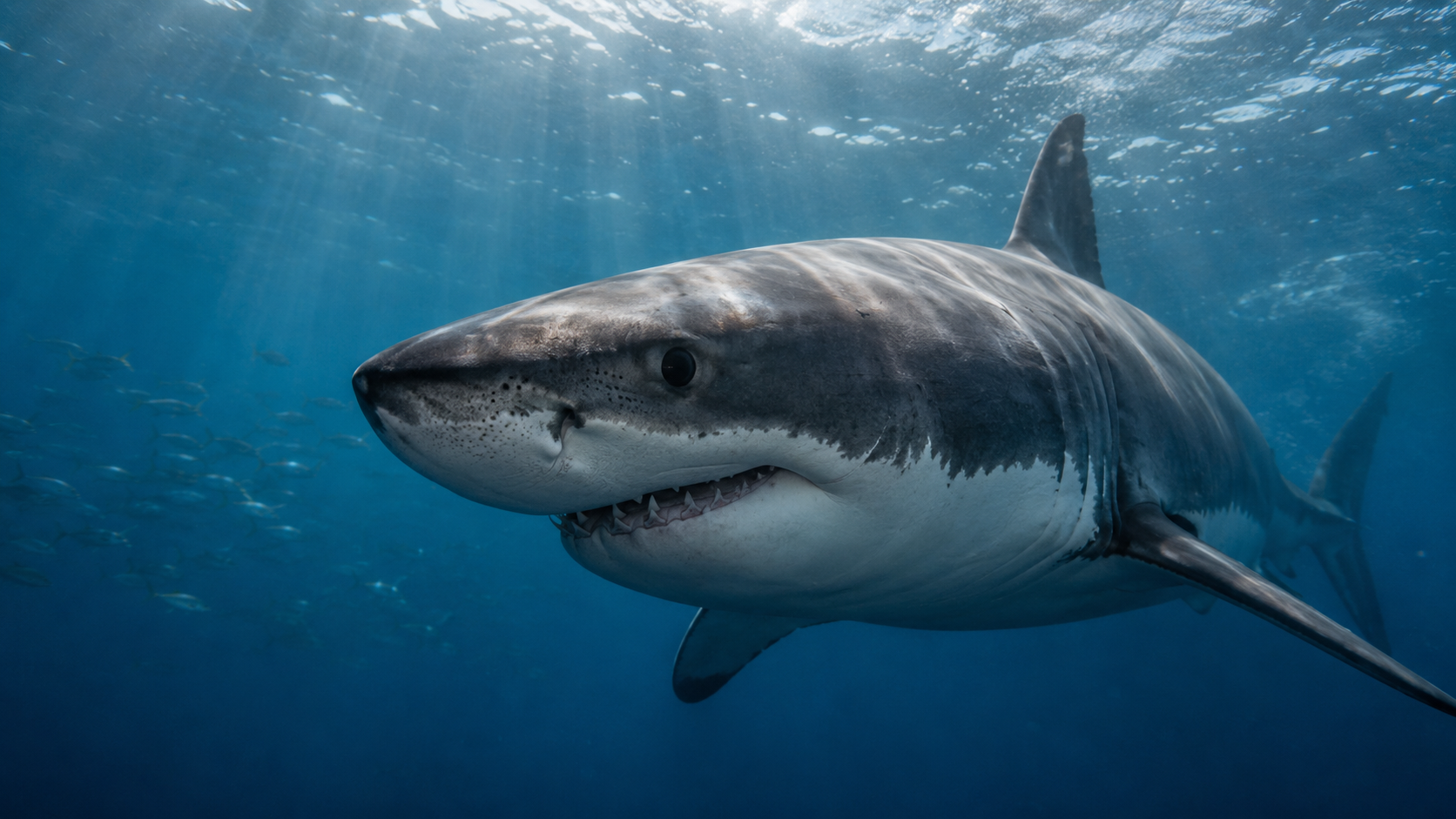
Inside a sensory world completely different from our own
READ THE FIELD NOTE →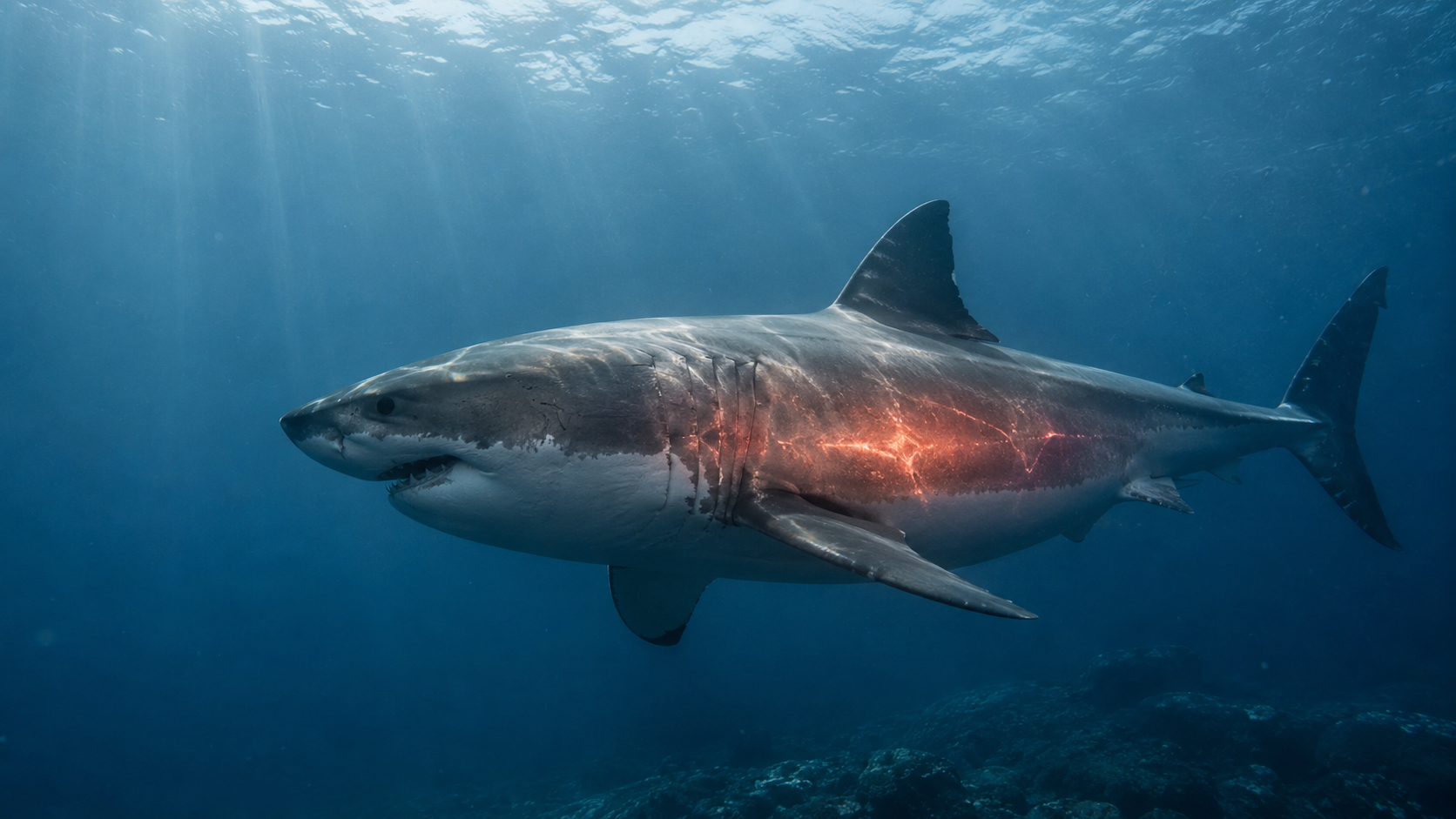
How shark anatomy turns an ancient body plan into an extraordinary ocean predator
READ THE FIELD NOTE →THE NEXT MOVE IS OURS.
Healthy sharks mean a healthy ocean. Add your name to the people asking Canada to put ocean life first.
No spam. Just meaningful ways to help the ocean.