Canadian Shark Conservancy
HOMEFIELD NOTES
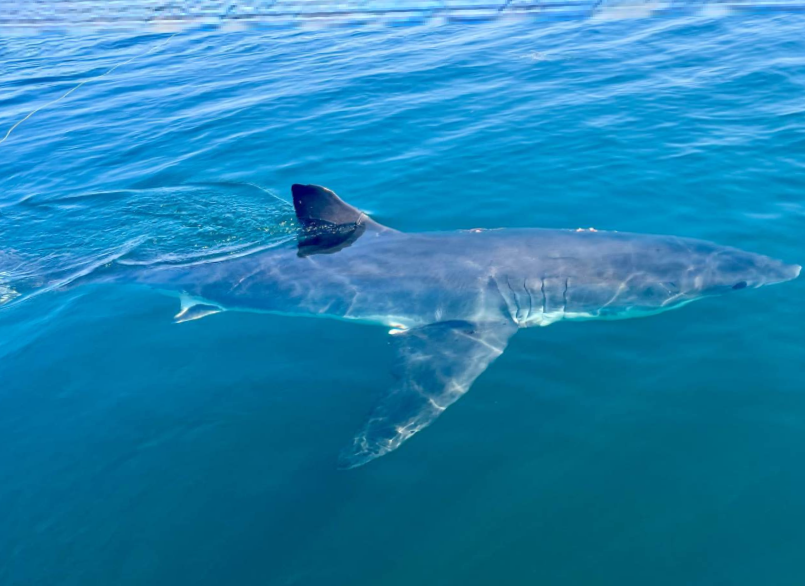
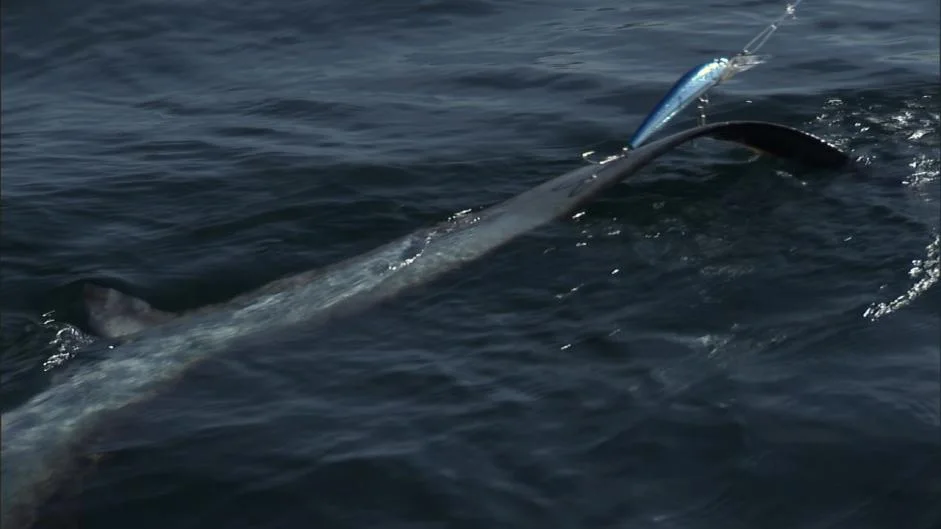
Common thresher hooked by the tail off southern California; the long upper tail lobe is visible.
PART 10 / October 1, 2026NOAA/PIER · Public domain · Common thresher hooked by the tail off southern California

FIELD NOTES / FEATURED RESEARCH SERIES

WHITE SHARKS
IN CANADA

Following the seasonal journeys of the North Atlantic’s most iconic predator.

They don’t live in Canada. They return to Canada.
THE SERIES

Every year, white sharks move north through the western North Atlantic and into Canadian waters. They arrive during the warmer months, use parts of Atlantic Canada as seasonal habitat, and leave again as winter approaches.

White Sharks in Canada follows those journeys.

Through the work of Canadian scientists, universities, conservation organizations and international research partners, we explore why white sharks come north, how researchers follow them, where individual sharks return, what risks they encounter, and what their movements reveal about an ocean that recognizes no political borders.

This is not the story of a shark that belongs to Canada. It is the story of an animal whose annual life depends, in part, on Canadian waters.

Last-known-good published edition

WHITE SHARKS IN CANADA

Follow the
journey.

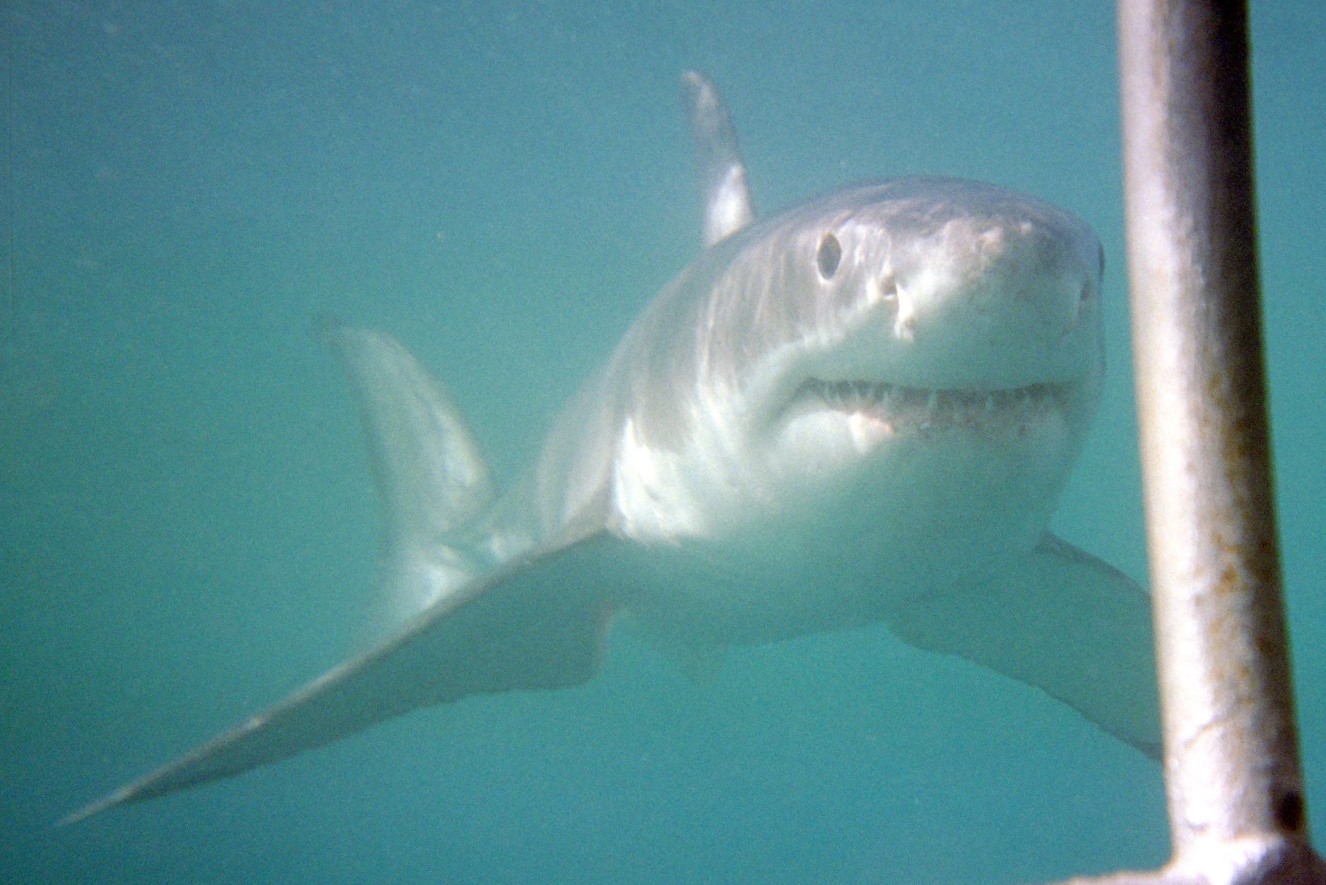
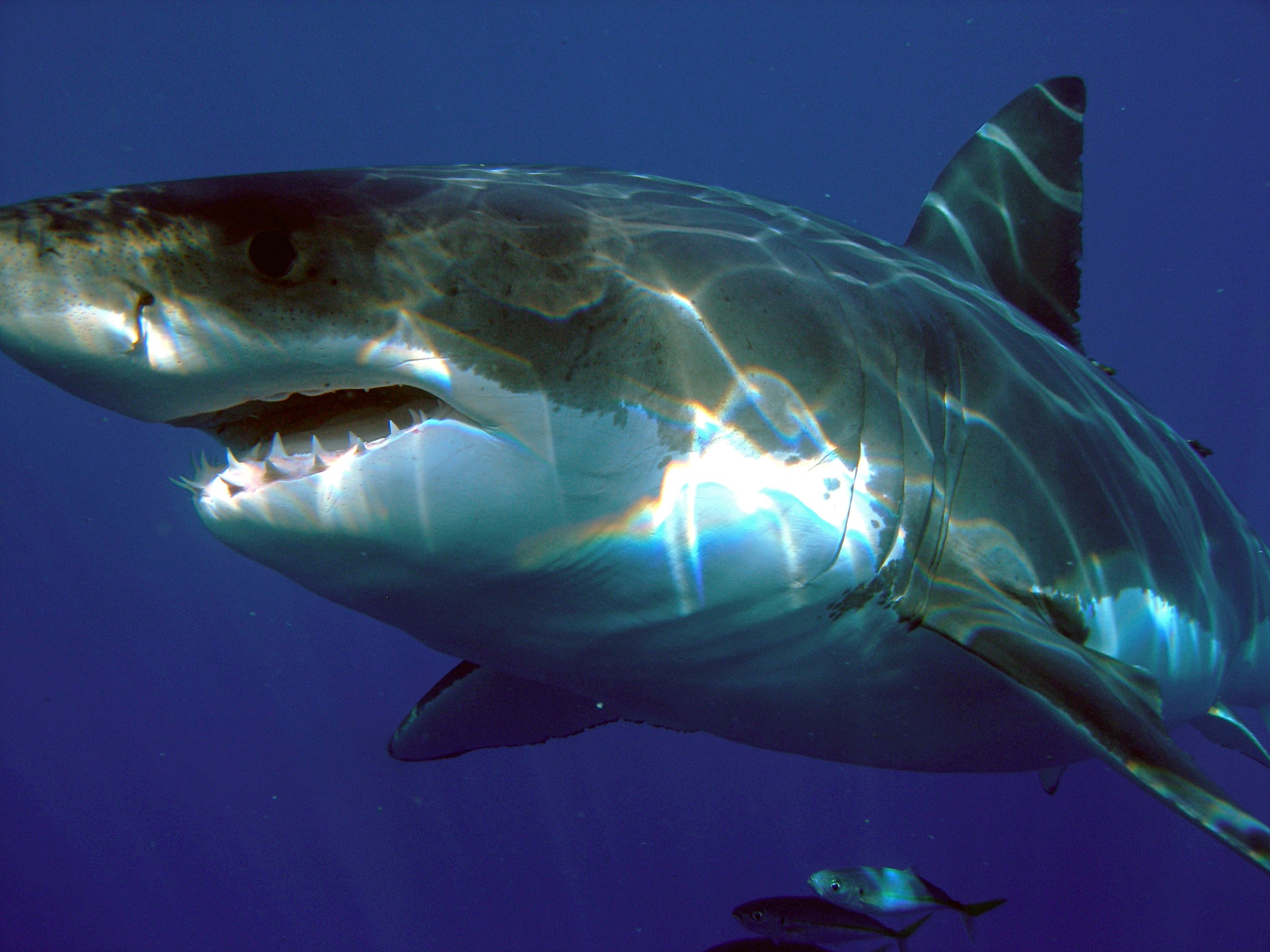
A white shark swimming near the ocean surface.
ALBAN · CC BY-SA 3.0

WHITE SHARKS IN CANADA / PART 2

Why Come North?

What draws North Atlantic white sharks back to Canadian waters year after year

Food, temperature, season and opportunity: the ocean conditions that make Atlantic Canada important seasonal habitat.

PUBLISHEDRead the Field Note →
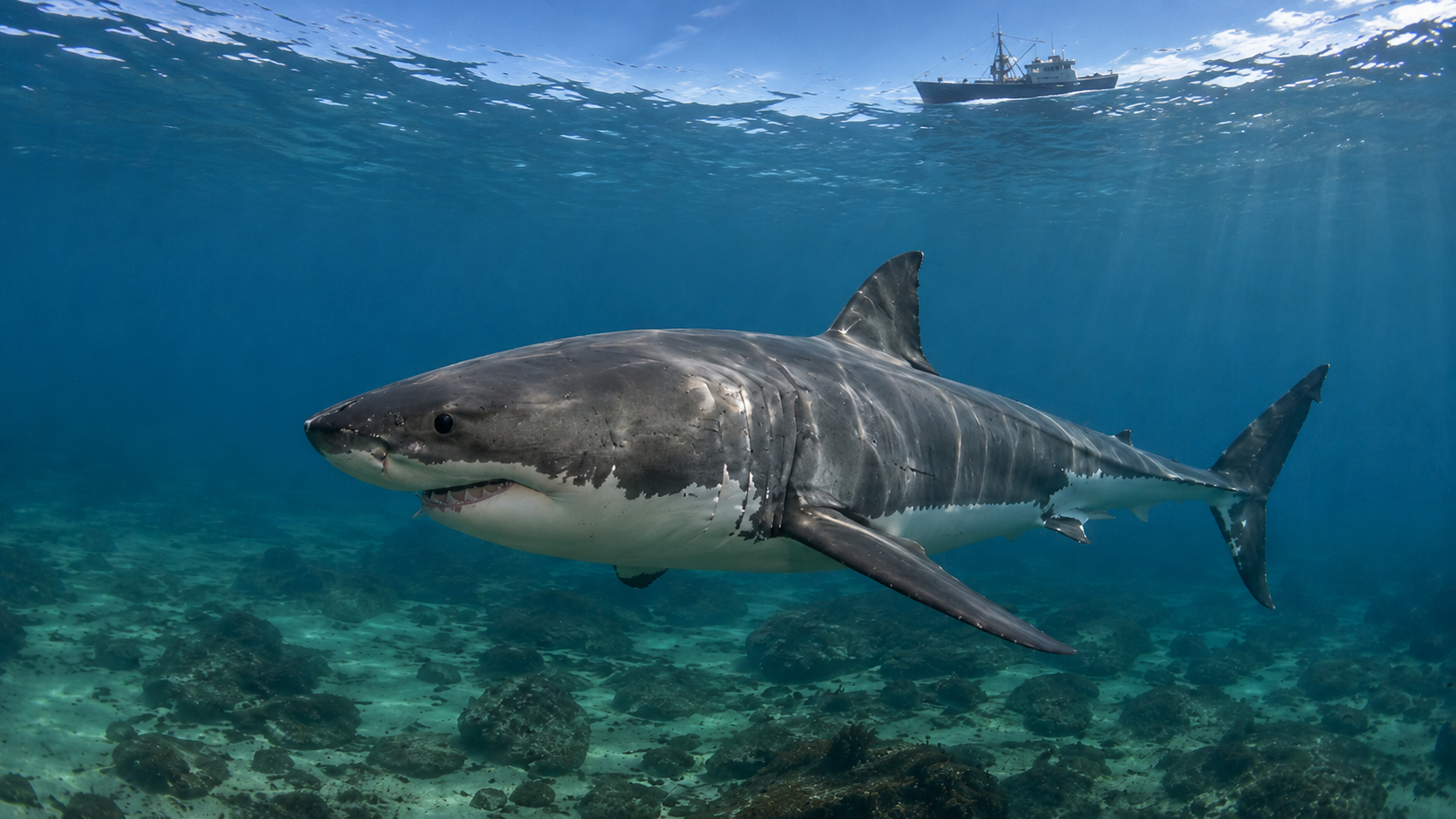
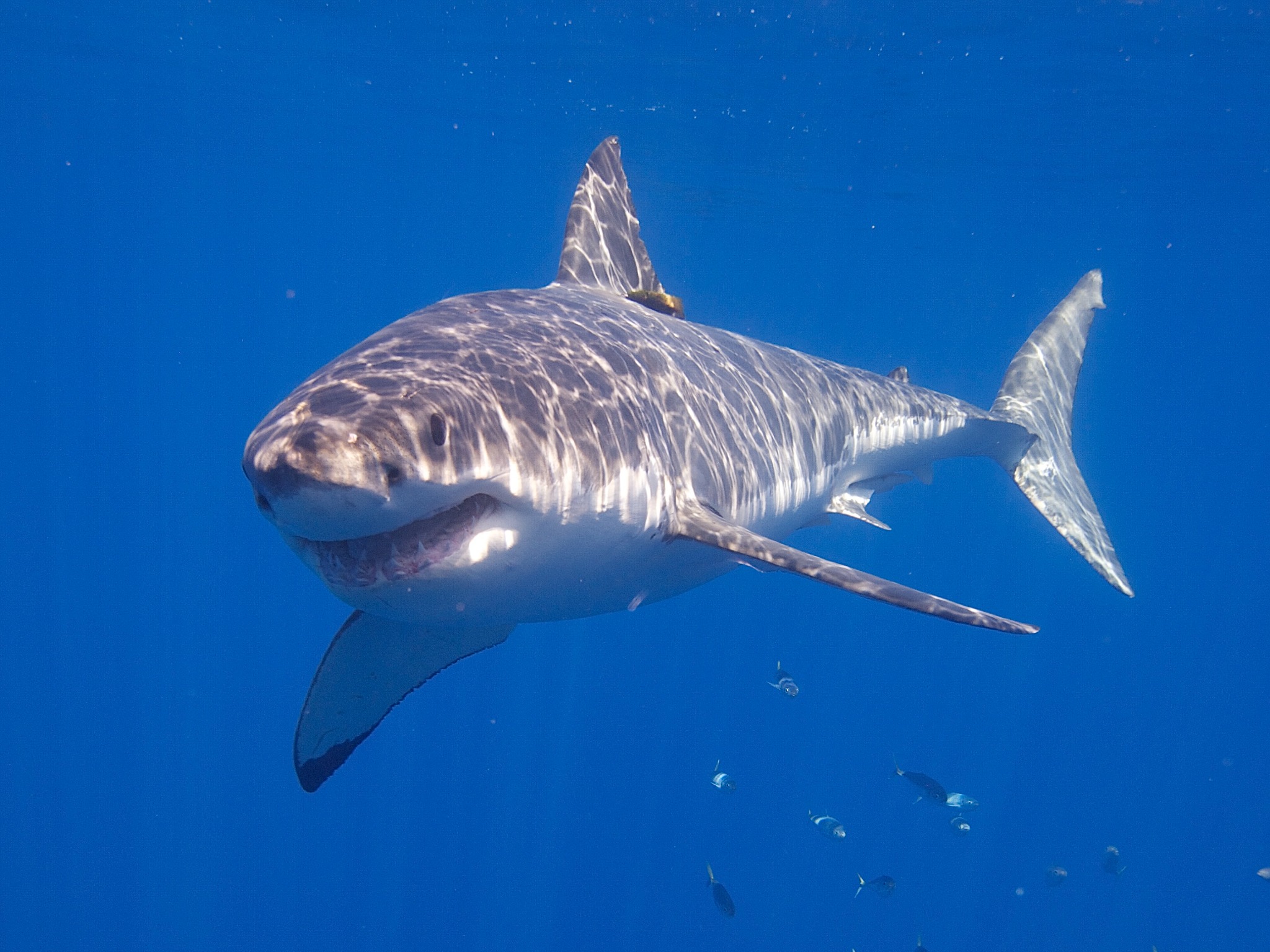
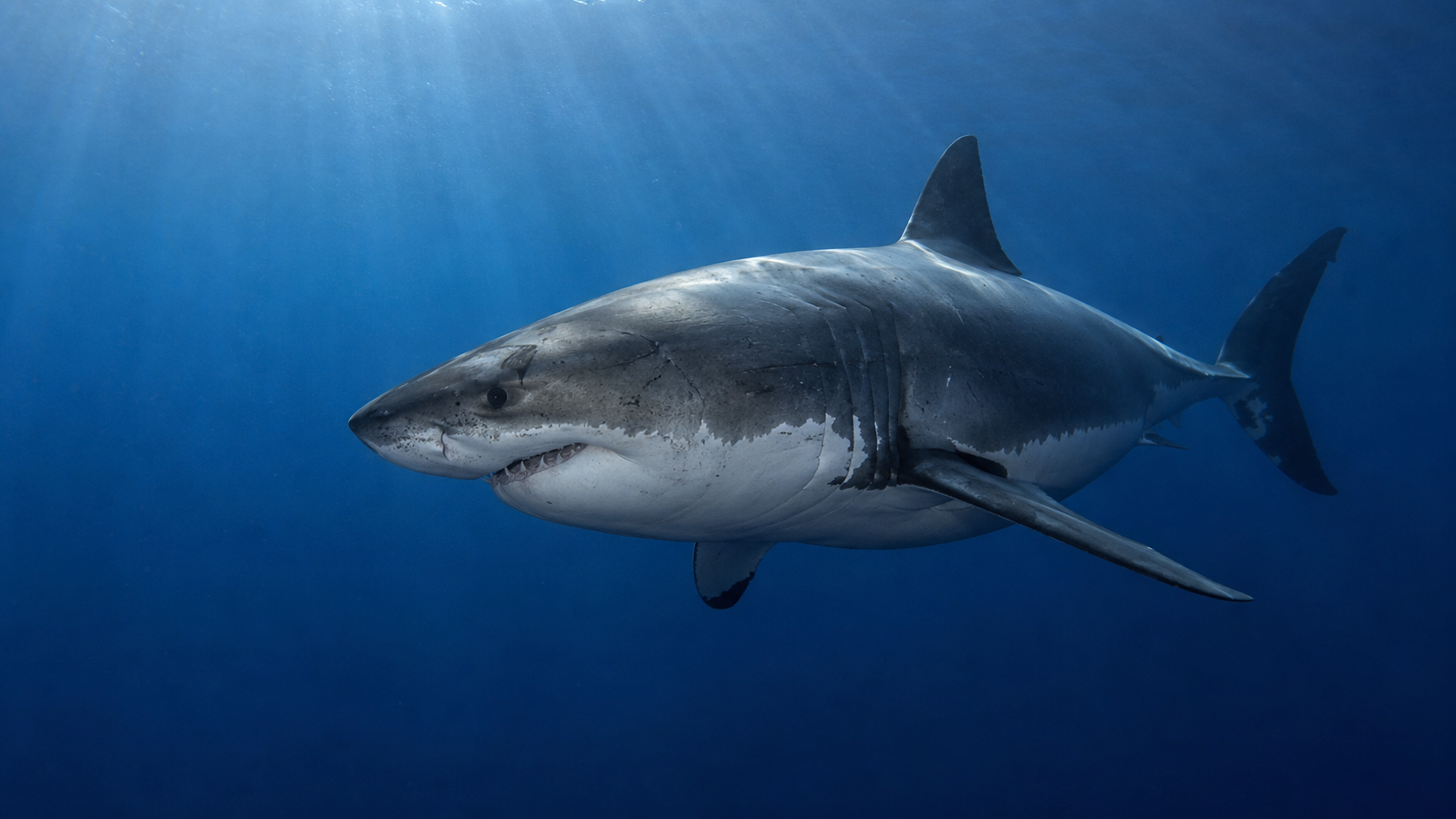
A white shark seen underwater in the open ocean.
ELIAS LEVY · CC BY 2.0

WHITE SHARKS IN CANADA / PART 3

Following the Migration

How scientists follow a white shark across an ocean

From tags and receivers to satellite detections, scientists assemble fragments of data into a picture of an ocean-wide journey.

PUBLISHEDRead the Field Note →
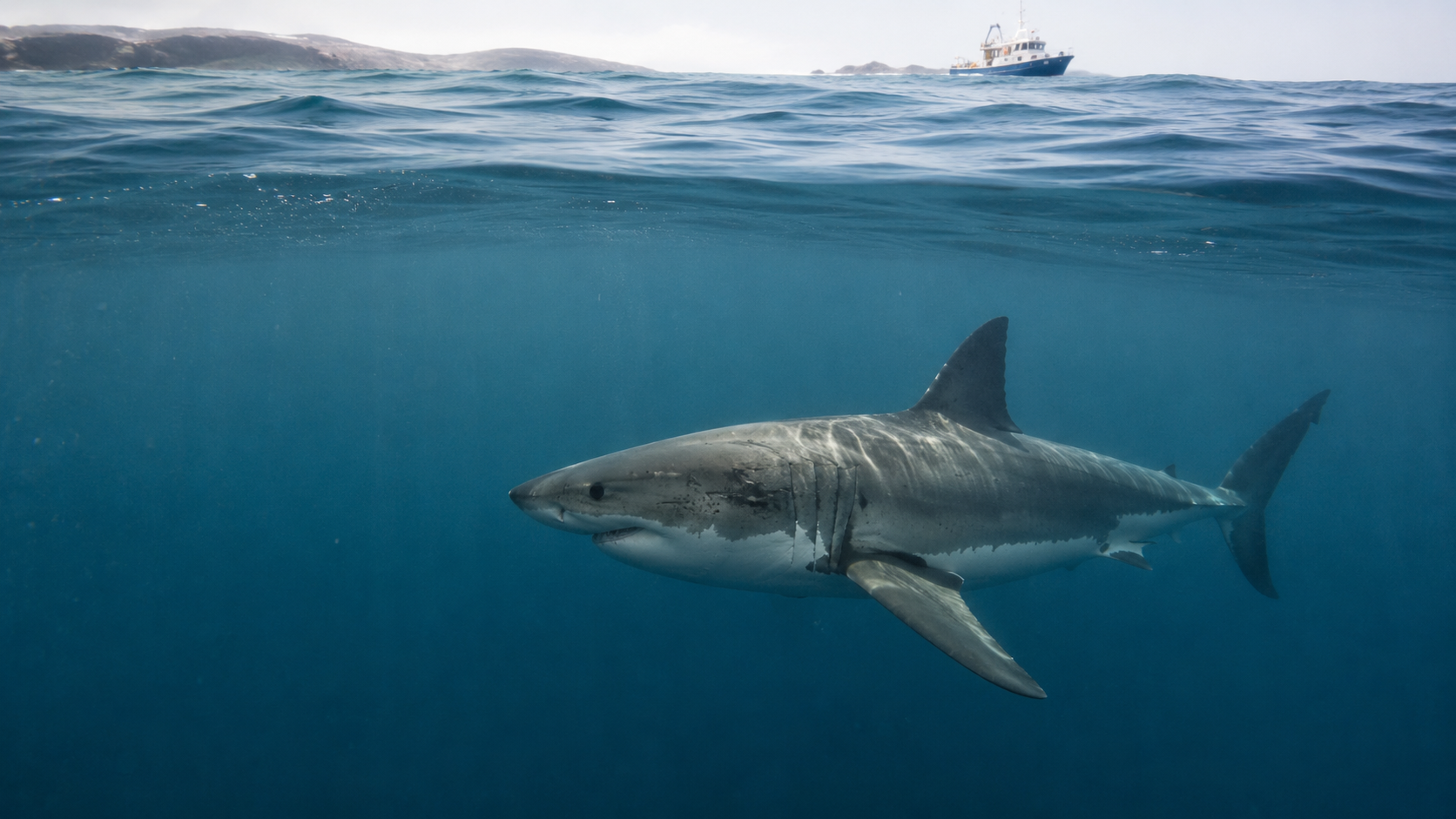
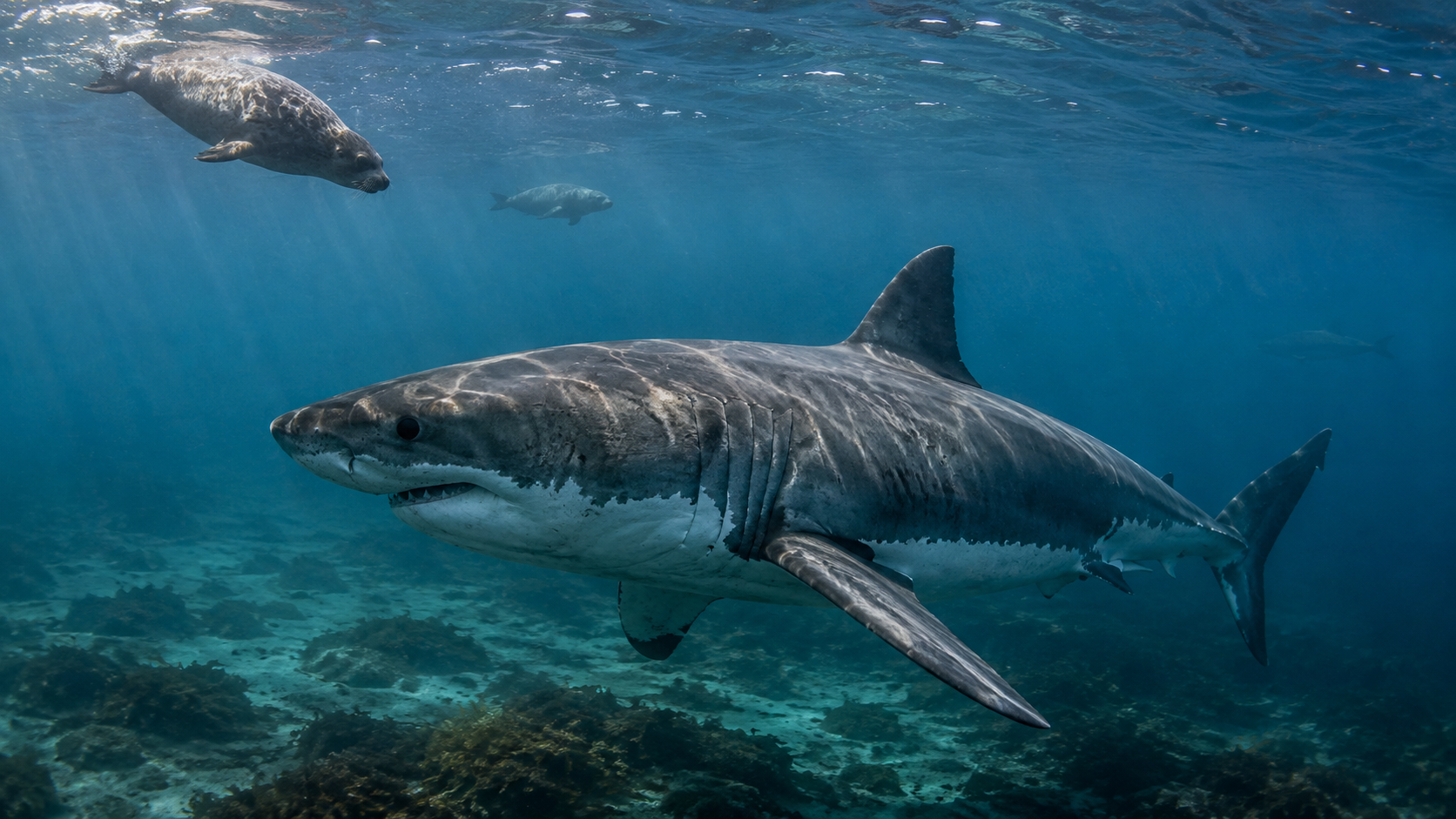
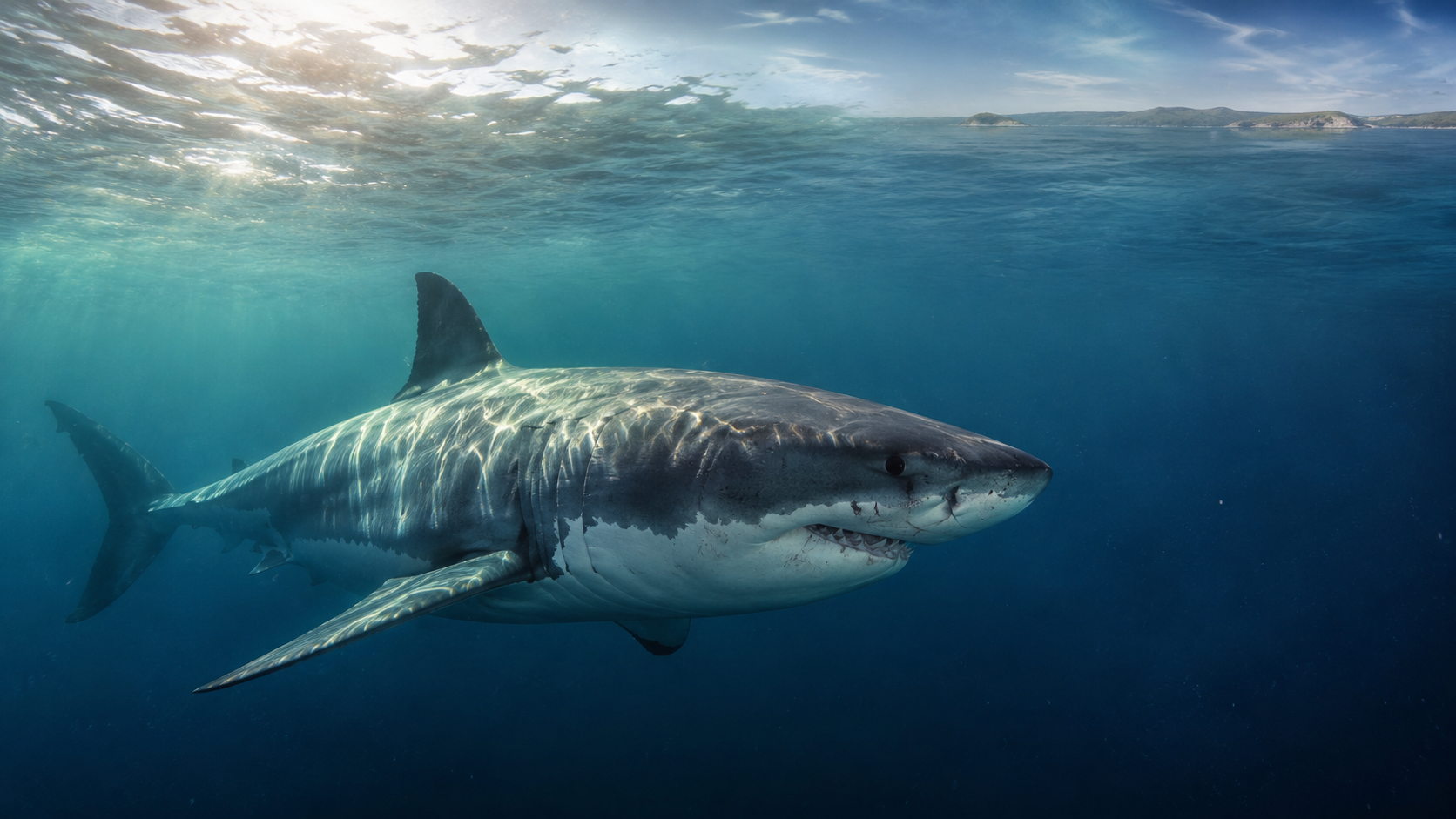
A white shark swimming through Atlantic shelf habitat with seals visible near the surface.
CANADIAN SHARK CONSERVANCY / AI-ASSISTED ORIGINAL ILLUSTRATION

WHITE SHARKS IN CANADA / PART 4

The Canadian Feeding Grounds

Where white sharks spend their northern season — and why those places matter

From Nova Scotia and Sable Island to the Gulf of St. Lawrence and Grand Banks, researchers are assembling the evidence behind Canada’s seasonal white-shark habitats.

PUBLISHEDRead the Field Note →
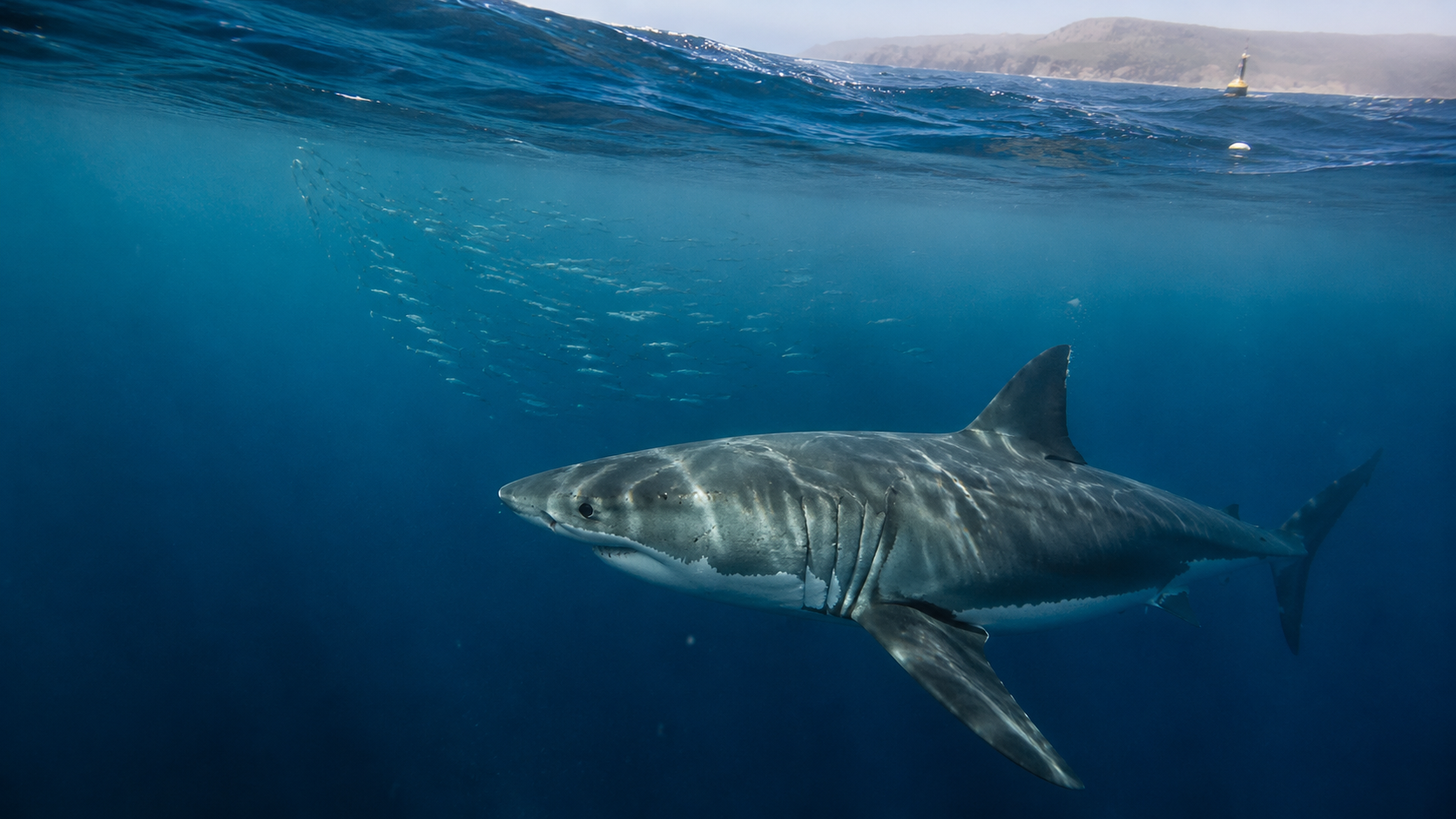
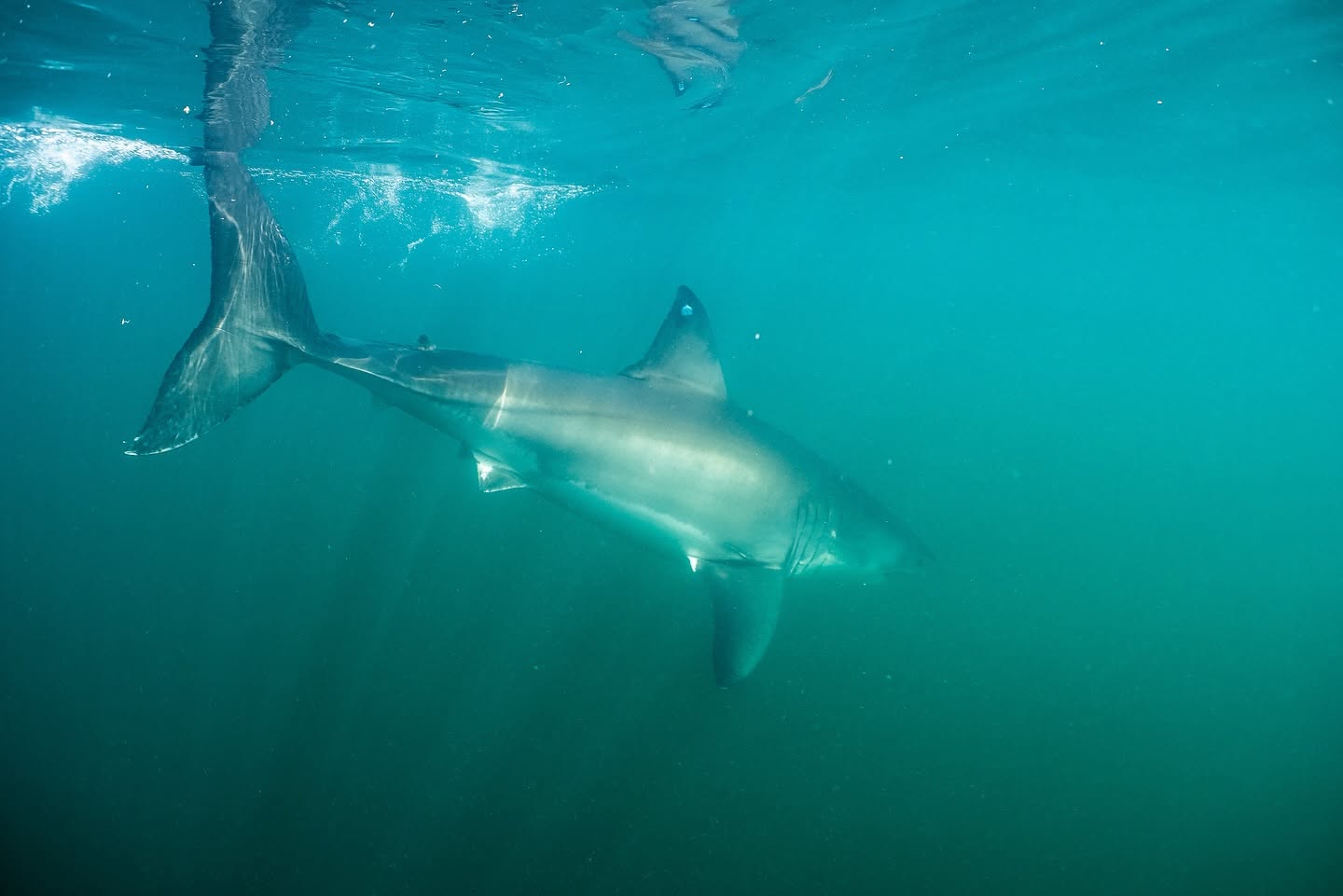
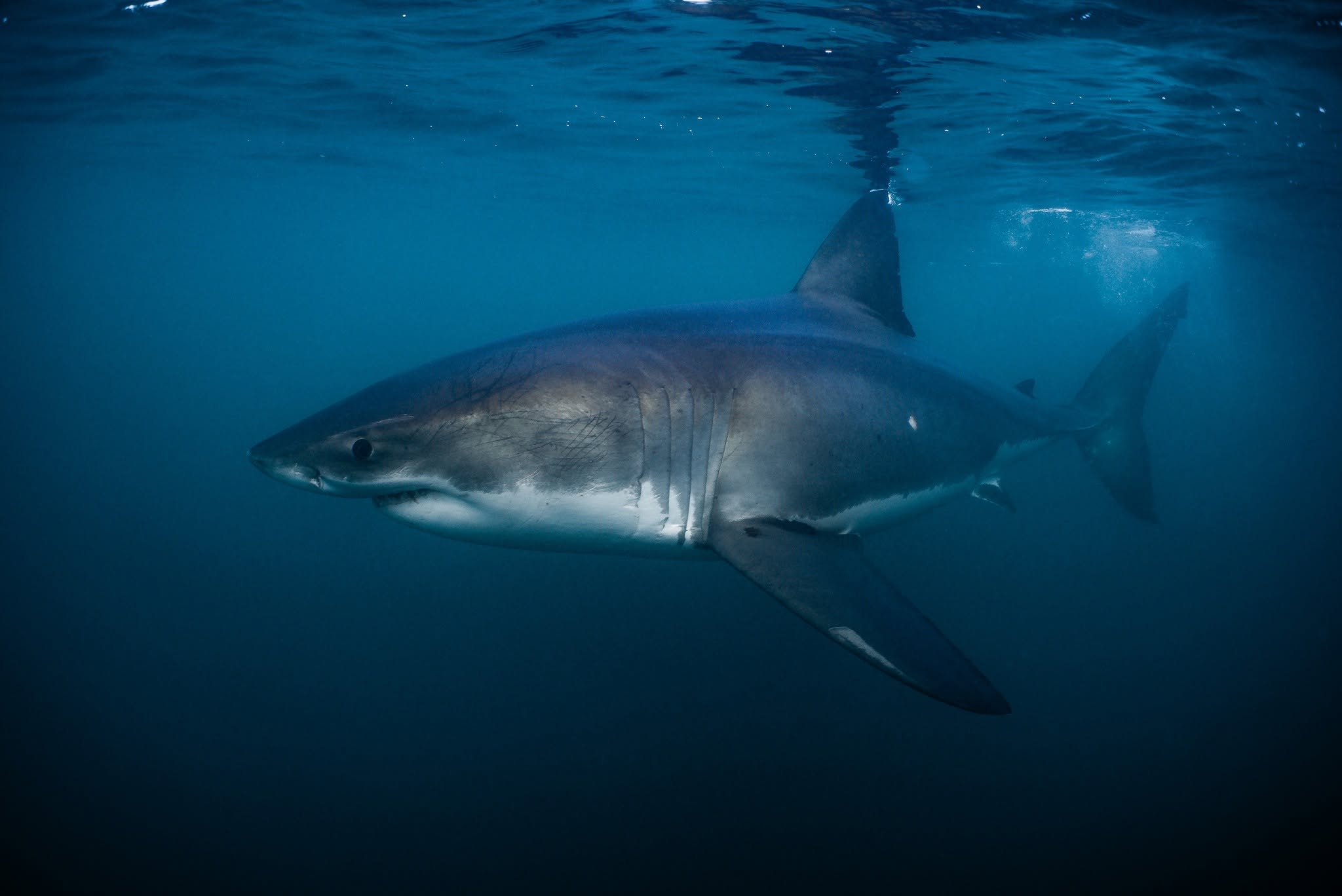
A free-swimming white shark seen broadside beneath the surface in Nova Scotia waters.
ATLANTIC SHARK EXPEDITIONS · USED WITH PERMISSION

WHITE SHARKS IN CANADA / PART 5

The Sharks That Return

What site fidelity may teach us about white shark memory, navigation and experience

Some white sharks return to the same Canadian regions across multiple years. What can those journeys tell us about site fidelity, navigation, experience and conservation?

PUBLISHEDRead the Field Note →
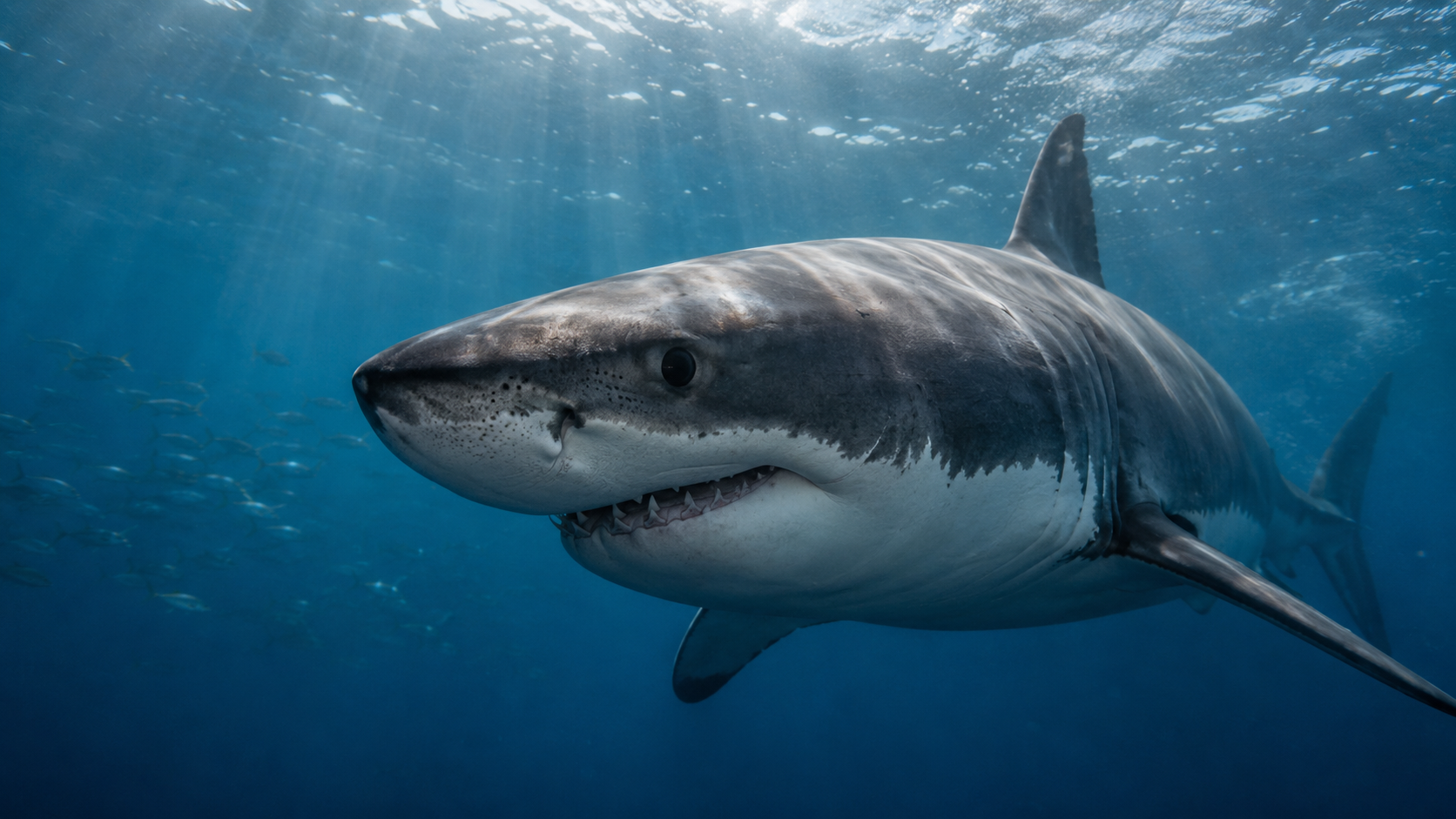
A free-swimming white shark seen just beneath the surface in clear blue Atlantic water.
ROBIN FISHER / ATLANTIC SHARK EXPEDITIONS · USED WITH PERMISSION

WHITE SHARKS IN CANADA / PART 6

Reading a Shark’s Signal

What tracking technology can tell us—and what it cannot

A shark-tracker map is a representation of evidence, not a continuous record of an animal’s path. Learn how researchers interpret satellite, acoustic and archival telemetry—and the uncertainty within every signal.

PUBLISHEDRead the Field Note →
A white shark swimming freely just beneath the surface in clear blue Nova Scotia water.
ROBIN FISHER / ATLANTIC SHARK EXPEDITIONS · USED WITH PERMISSION

WHITE SHARKS IN CANADA / PART 7

Who Comes North?

Why younger white sharks may be especially important to Canada’s story

Juvenile and subadult white sharks are disproportionately likely to enter Canadian waters. Explore what life stage reveals about migration, habitat use and Canada’s role in the wider Northwest Atlantic population.

PUBLISHEDRead the Field Note →
A large adult female white shark swimming through deep blue ocean water.
CANADIAN SHARK CONSERVANCY / AI-ASSISTED ORIGINAL ILLUSTRATION

WHITE SHARKS IN CANADA / PART 8

The Missing Mothers

What we know—and still don’t know—about white shark reproduction in the Northwest Atlantic

Follow the elusive reproductive lives of large female white sharks—from late maturity and pregnancy to offshore movements, likely pupping regions and the next generation.

PUBLISHEDRead the Field Note →
A white shark swimming through clear blue water beneath the ocean surface.
CANADIAN SHARK CONSERVANCY / AI-ASSISTED ORIGINAL ILLUSTRATION

WHITE SHARKS IN CANADA / PART 9

The Ocean Is Changing Beneath Them

How warming waters may reshape the white shark’s Canadian range

As Atlantic Canada warms, white sharks may arrive earlier, remain later or travel farther north—but population recovery, prey and increased observation all shape what we see.

PUBLISHEDRead the Field Note →
A white shark swimming over a shallow seafloor while a fishing vessel passes at the surface.
CANADIAN SHARK CONSERVANCY / AI-ASSISTED ORIGINAL ILLUSTRATION

WHITE SHARKS IN CANADA / PART 10

When Sharks and Fisheries Meet

The accidental encounters that remain Canada’s greatest direct threat to white sharks

White sharks and fisheries often use the same productive waters. Explore why accidental bycatch remains Canada’s principal documented human-caused mortality threat—and how fishers can help reduce it.

PUBLISHEDRead the Field Note →
A mature white shark swimming beneath the surface in cold Atlantic Canadian water with a distant research vessel.
CANADIAN SHARK CONSERVANCY / AI-ASSISTED ORIGINAL ILLUSTRATION

WHITE SHARKS IN CANADA / PART 11

Sharing the Water

What coexistence with a recovering apex predator could look like in Atlantic Canada

Atlantic Canada can prepare for seasonal white shark encounters by connecting research, public information, responsible ocean use and emergency readiness.

PUBLISHEDRead the Field Note →
A mature white shark swimming beneath the surface in cold Atlantic Canadian water, with schooling fish, a distant coastline and an offshore monitoring buoy.
CANADIAN SHARK CONSERVANCY / AI-ASSISTED ORIGINAL ILLUSTRATION

WHITE SHARKS IN CANADA / PART 12

The Future of the Return

What a changing Atlantic Ocean could mean for the white sharks that migrate into Canadian waters

A changing Atlantic could lengthen the Canadian season, redistribute habitat or bring more white sharks north. The series concludes by asking how Canada can recognize—and prepare for—several possible futures.

PUBLISHEDRead the Field Note →
INDEPENDENT FIELD NOTES

Explore shark
biology.

Standalone articles about shark senses, anatomy, physiology and adaptation. Read them in any order—no knowledge of the White Sharks in Canada series is required.

Close-up of a great white shark swimming beneath sunlit ocean water, showing its eye and sensory pores around the snout.
CANADIAN SHARK CONSERVANCY / AI-ASSISTED ORIGINAL ILLUSTRATION

SHARK SCIENCE / FIELD NOTE

How Sharks Read the Ocean

Inside a sensory world completely different from our own

Can sharks smell a drop of blood from miles away? Do yellow fins attract them? Can they detect a GoPro—or navigate using Earth’s magnetic field? We separate shark mythology from the remarkable biology of hearing, smell, vision, the lateral line and electroreception.

PUBLISHEDRead the Field Note →
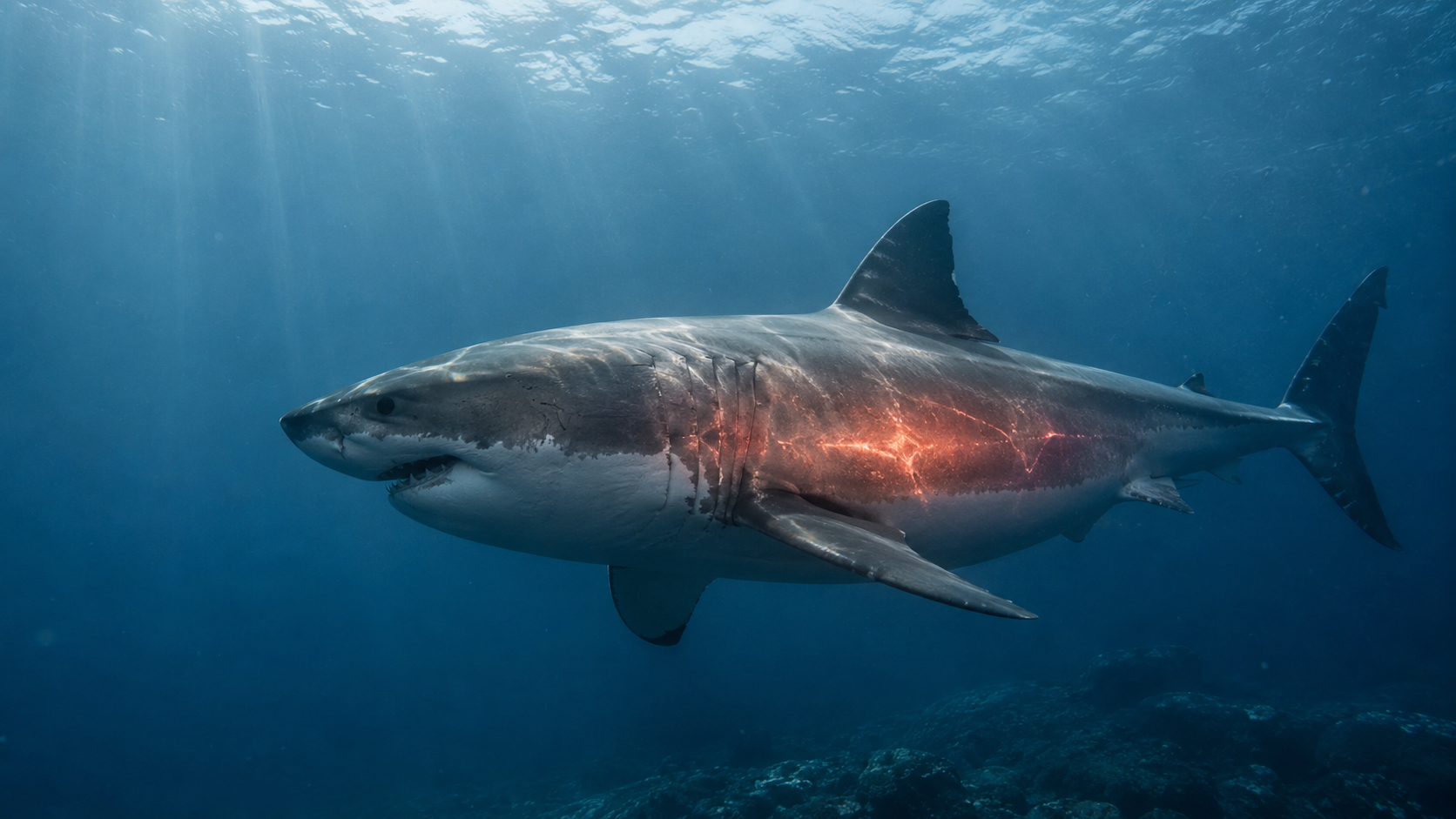
A white shark swimming through cool blue water with a subtle glow illustrating retained heat within its swimming muscles.
CANADIAN SHARK CONSERVANCY / AI-ASSISTED ORIGINAL ILLUSTRATION

SHARK SCIENCE / FIELD NOTE

Cold Blood, Warm Muscles

How shark anatomy turns an ancient body plan into an extraordinary ocean predator

How can a white shark carry warm muscles through cold Canadian water? Explore regional endothermy, dermal denticles, cartilage, buoyancy, gill ventilation and the conveyor belt of replacement teeth.

PUBLISHEDRead the Field Note →

They don’t live in Canada. They return to Canada.

Protect Sharks. Protect Our Oceans. Protect Our Future.